
As AUSTRAC continues proceedings against one of Australia’s largest club groups, it warns directors they can be liable for breaches and that AML and CTF compliance is not about simply “ticking boxes”.
Mid-2025 the Australian Transaction Reports and Analysis Centre (AUSTRAC) began a case against Mounties (Mount Pritchard District and Community Club) over what it described as major and long-running compliance breaches of Anti-Money Laundering (AML) and Counter-Terrorism Financing (CTF) laws.
The financial crimes watchdog has alleged in court that 10 customers who should have been identified as suspicious cycled close to $140 million through the club, including one identified as allegedly visiting the venue almost every day and loading large amounts of cash into machines but not playing.
The agency says this alone should have immediately raised red flags as a classic “wash pattern” to launder dirty money.
“Imagine someone walking into your club, dropping tens of thousands of dollars in cash into a machine and barely having a spin before cashing out,” posed AUSTRAC CEO Brendan Thomas.
During 2025, reportedly only seven per cent of Australian clubs submitted suspicious matter reports, with around half coming from just 10 clubs.
AUSTRAC has designated clubs and pubs that provide gaming as ‘medium risk’ for criminals laundering money due to their high exposure to cash and rapid transactions. The sector is also thought to be seen by organised crime as less tightly regulated than casinos, and those with weak compliance programs are “prime targets”.
At a Clubs NSW conference late 2025 Thomas suggested too many licensed venues have a ‘tick and flick’ attitude of AML compliance and aren’t flagging suspicious patrons. He cited seeing profit sheets where a “large percentage” of the revenue was suspicious.
“As directors, you carry ultimate responsibility,” he said.
In its defence, Mounties claims it relied on AML systems supplied by BetSafe, which included training for employees and directors and notification on suspicious matters that required reporting.
“Mounties was of the good faith and reasonable view that, in and throughout its engagement of BetSafe, it had engaged experienced and competent advisers to assist in the development and implementation of its [anti-money laundering and counter-terrorism financing] program,” the club stated in documents filed in the Federal Court.
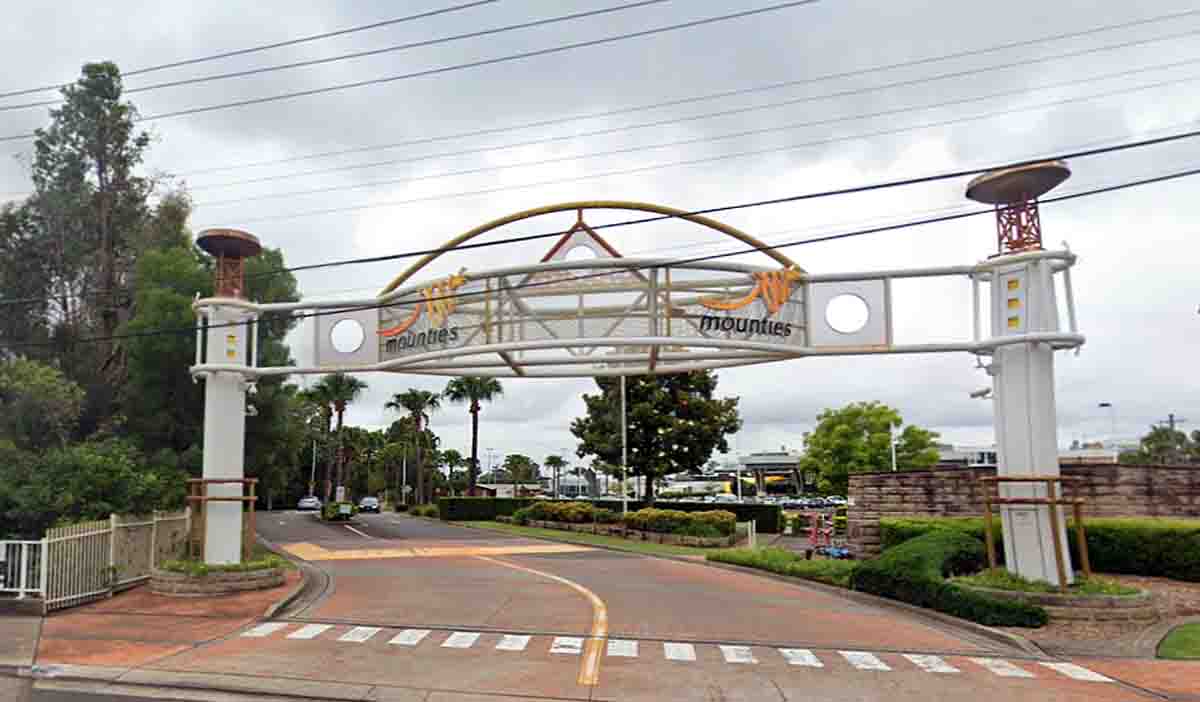
Mounties reports it did submit suspicious matter reports on eight of the 10 players cited by AUSTRAC, but missed the other two. The club concedes it failed to conduct the appropriate source of wealth checks on any of the players, although it did some investigation on four of them and concluded betting activities were ‘not consistent with their source of funds’ – and yet these individuals continued to use the facilities.
Despite its program being provided by an external party, Mounties said in a statement it “acknowledges that it was ultimately responsible for ensuring that it complied with its AML/CTF obligations”.
Thomas stressed to clubs that directors must actively engage with their compliance programs.
He warned that new laws coming into effect this year will put directors under higher scrutiny.
“You can’t outsource responsibility for compliance,” states Thomas.
“You need to be getting regular reports and ensuring the controls are working effectively. The focus is on outcomes, not ticking boxes.”
AUSTRAC’s heightened focus on clubs and pubs is in line with and continues its actions against Crown, Star and Sky City casinos and ongoing probes into more casinos and online betting giant Sportsbet.